
Fitness Tips with Antonia Bannasch
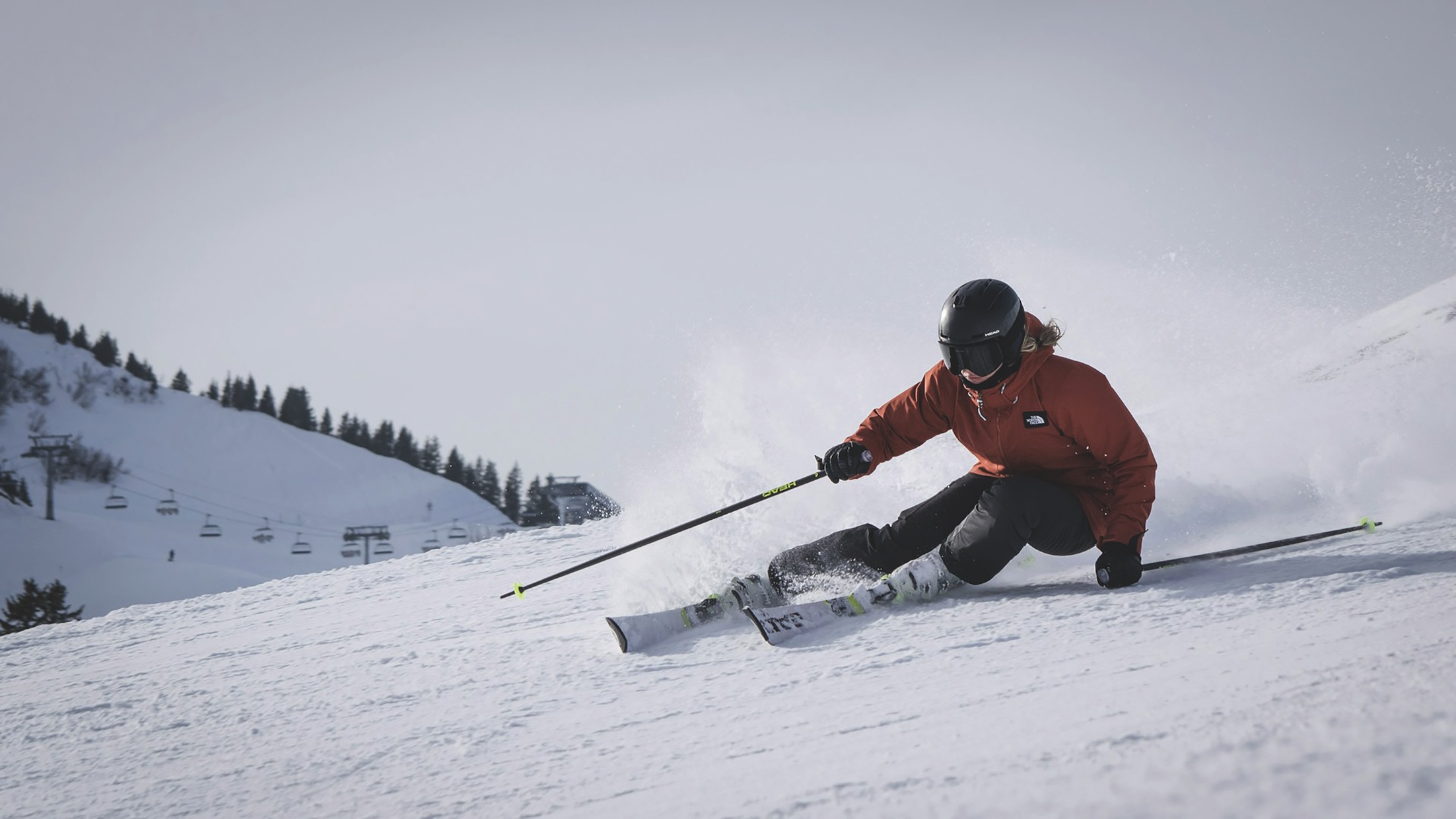
Ski season is well underway, but it’s not too late to train smarter. You can start using these exercises now or save them for next year. Skiing is far more demanding than most people expect: long days, repetitive movement, tough terrain and cold conditions. Turning up unprepared often leads to fatigue or injury. The right training helps you feel stronger, ski longer, and enjoy every run.
Focus on Leg Strength and Endurance
Your legs do the majority of the work when skiing. Quads, hamstrings, glutes and calves all need to be strong enough to cope with long days of continuous effort. Exercises such as squats, lunges, step-ups and deadlifts are excellent foundations. These movements mimic skiing positions and help build the strength required for both descending and stabilising.
Endurance is just as important as strength. Skiing involves holding semi-squat positions for extended periods, so incorporating higher-rep sets, tempo work or wall sits can be particularly effective. Aim to train your lower body two to three times per week in the lead-up to your trip.
Don’t Ignore Your Core
A strong core is essential for balance, control and injury prevention on the slopes. Your core helps transfer power between your upper and lower body, which allows you to stay upright when conditions are unpredictable.
Planks, side planks, dead bugs, Pallof presses and rotational movements all help develop the type of core stability needed for skiing. Rather than endless crunches, focus on exercises that challenge control and coordination.
Train Balance and Stability
Skiing is essentially controlled instability. You’re constantly adjusting to changes in speed, gradient and snow conditions. Including balance work in your training can make a noticeable difference to how confident you feel on skis.
Single-leg exercises such as split squats, single-leg Romanian deadlifts and step-downs are brilliant for this. Adding unstable surfaces or slow, controlled movements can further challenge your balance and joint stability, particularly around the knees and ankles.
Build Cardiovascular Fitness
Even if you are not racing downhill, skiing places a significant demand on your cardiovascular system. Improving your fitness will help you ski for longer without feeling breathless or exhausted.
Interval-based cardio works especially well. This could include cycling, rowing, hill walking or stair climbing, alternating harder efforts with recovery periods, so, for example, one minute on, one minute rest. This style of training mirrors the stop-start nature of skiing runs and lifts.
Mobility and Recovery Matter
Cold muscles and stiff joints increase injury risk, so mobility work should be part of your preparation. Pay particular attention to hips, ankles, knees and thoracic spine mobility. Regular stretching and dynamic warm-ups will help you move more freely and efficiently on the slopes.
Finally, start your training at least 8–12 weeks before your ski trip if possible. Gradual, consistent preparation will always outperform last-minute panic workouts.
Train smart now, and your body will thank you when you are carving confidently down the mountain rather than nursing sore knees in the chalet.
This article first appeared in the February issue of SE22 Magazine.