
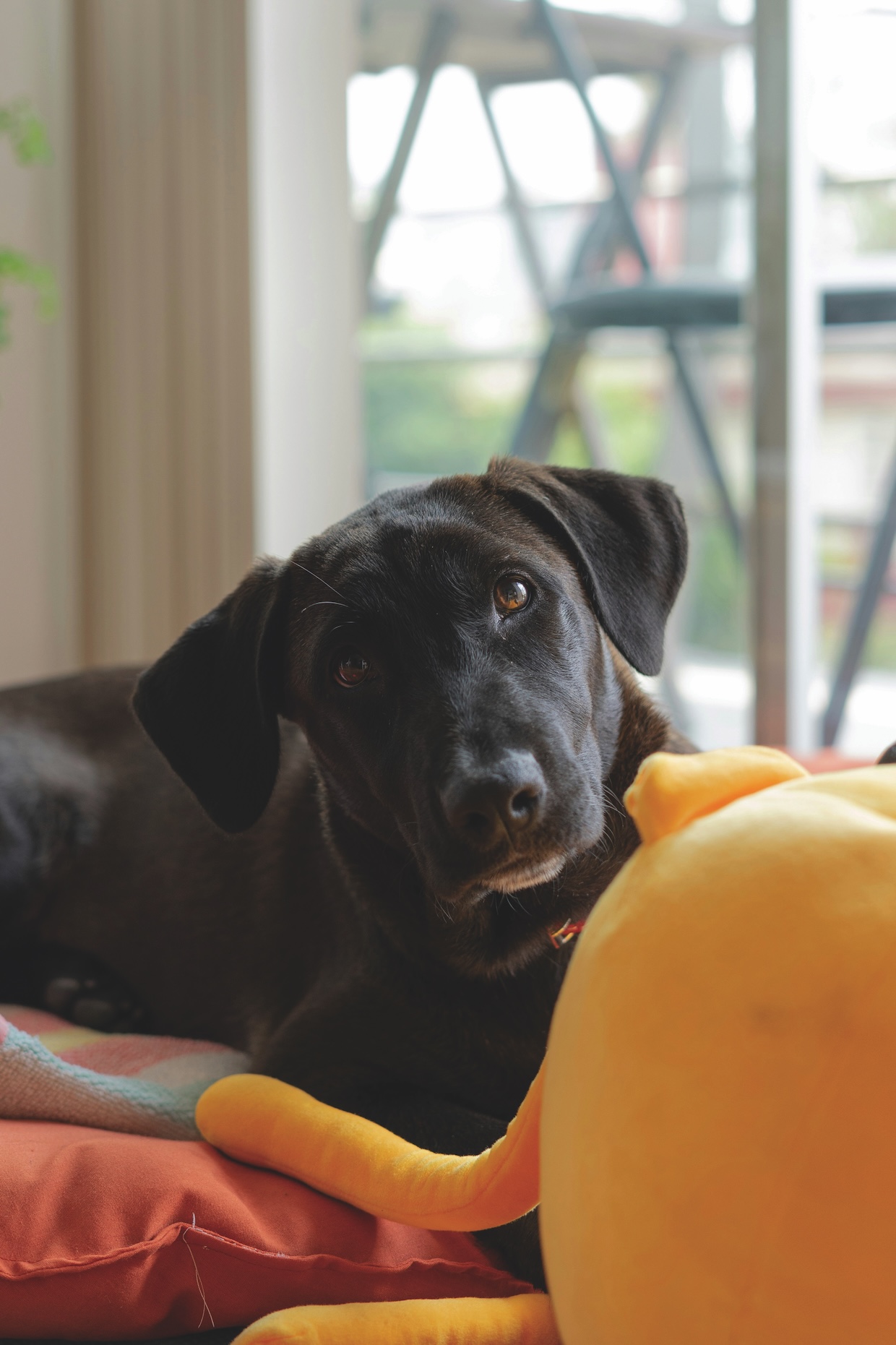
It’s a Dog’s Life
More of us own dogs than ever before, yet behaviour issues like serious noise phobias and aggression are on the increase. One explanation for this is the Covid boom in hobby dog breeding, whether for fun or money, where selecting for health and temperament was barely considered, if at all. A few breeders who show may also occasionally subvert the best interests of their animals to chase rosettes in the showring- I have heard of spectacular specimens with rotten temperaments winning first place and then showing up in multiple lines as a champion stud dog.
Some years ago, the saying ‘fit for function’ was floated as a metric that could identify which dogs were sound in mind and body. However, it did not address the monumental environmental shifts associated with modern living. What function can a dog develop to scent and flush birds all day in the field have in the modern city? You cannot train prey drive out of your average sighthound or terrier any more than an Akita or Cane Corso is likely to want to be everyone’s best friend. All these innate, often unmet, instinctive drives can add up to extremely frustrated and mentally anguished animals; the wonder is how many get through without ‘going postal.’ Lots will be scolded, and worse, when instinct bursts through and overrides owner’s desire for an easy life. Let us face it, most of us want a dog to accompany us on our leisure pursuits and gratify us with displays of unconditional love with minimum commitment our end.
Once you take a closer look, the ever-evolving lifestyle we take for granted has multiple impacts on our animals. I have written before about the dangers and stressors all around us, from urban sensory overload- constant chemical smells, flickering LED lights, fireworks, non-stop noise, and vibrations… In many cases the dog’s sensory abilities far exceed ours and they often cannot escape those impacts.
Then there is the issue of consent and agency. Choice is the foundation for what makes a good life; the ability to choose and feel in control of leisure pursuits, what we eat, what we do for work, and what clothes we wear. Our pets have little or no choice in what they eat, when they go out, where and on what they sleep, the wearing of leads, harnesses, collars, and when and where they can play.
In summary, what we are calling behaviour issues are from our perspective problems to be dealt with; from the dog’s side they may be the result of unmet needs, which is a welfare issue. I would urge every dog owner to consider unwanted behaviours and whether these are signalling unmet needs and start to explore how those needs can be channelled and met.
Image: carlos-de-santiago (Unsplash)